How the convent in Hagimus began
The monastery was founded in 1997 by Archimandrite Andrei Cotruța, with the blessing and support of Bishop Dorimedont of Edineț and Briceni.
A theological school for girls opened here in 1998, and that autumn the complex became a women's monastery. Since 1999 it has been led by Abbess Marta (Cușnir).
Which churches you will find on site
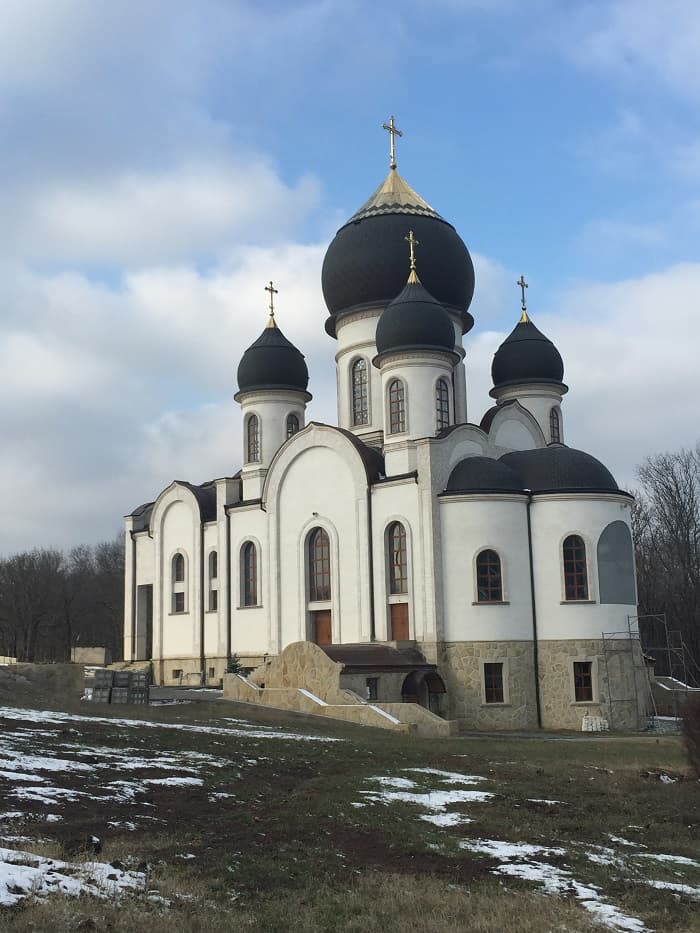
The summer church is dedicated to the Holy Myrrh-bearing Women Martha and Mary. The winter church is dedicated to the Holy Apostle Andrew the First-Called; its foundation was laid in summer 2000.
There is also a small wooden church dedicated to Stephen the Great, built in 2007. The monastery also keeps a piece of the True Cross and particles of relics of several saints.
How far it is from Căușeni, Bender and Chișinău
The monastery is near the village of Hagimus, about 10 km from the centre of Căușeni and close to the Căușeni–Bender road. It is about 75 km from Chișinău.
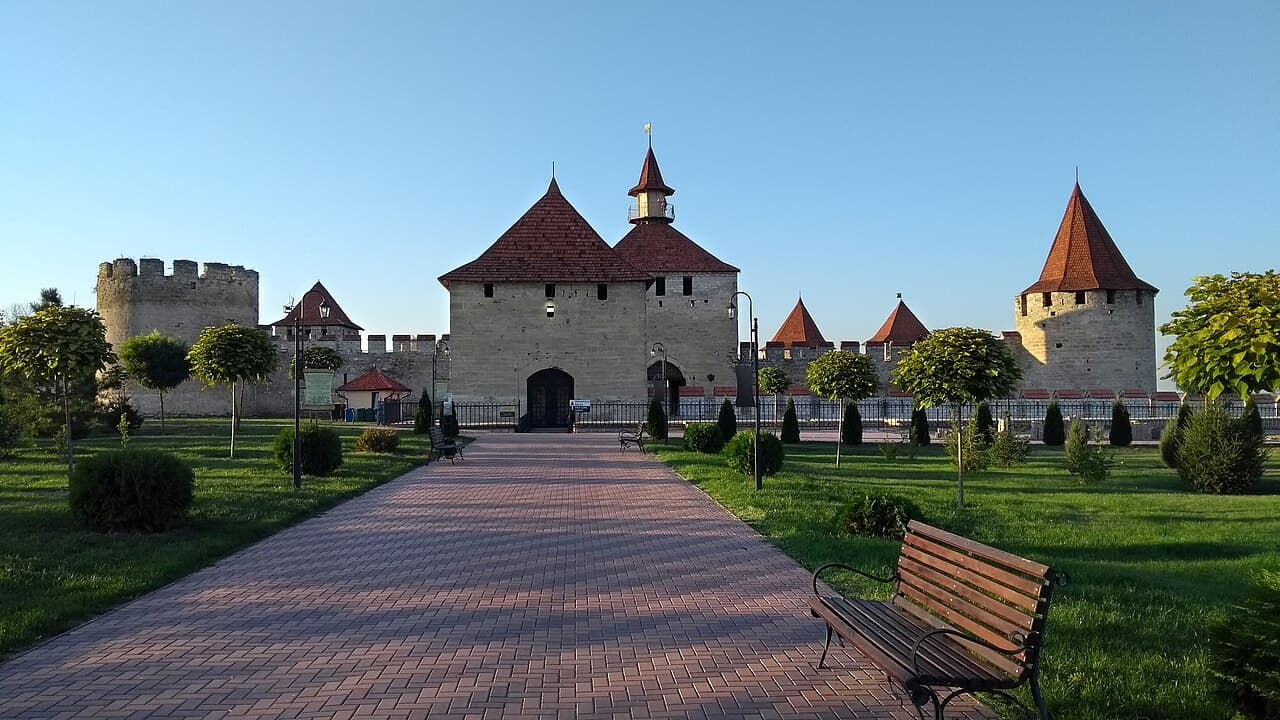
Bender Fortress is about 7 km from the monastery, so the two places fit into one outing.
What else to see nearby
About 1.5 km north-west of the village, in a ravine, is Suvorov's Spring, a protected hydrological natural monument.
The landscape reserve “Hârbovăț Forest” is also close by. The nuns grow and gather medicinal and aromatic plants around the monastery.
- Visiting hours and dress code: we found no official source, so call before you go: +373 243 42 327.
Frequently asked questions
- Who founded the monastery in Hagimus?
- Archimandrite Andrei Cotruța, in 1997, with the blessing of Bishop Dorimedont of Edineț and Briceni. It has been a women's monastery since 1998.
- How far is Hagimus Monastery from Chișinău?
- About 75 km to the south-east. From Căușeni it is roughly 10 km, and from Bender about 7 km.
- How many churches does the Hagimus monastery have?
- Three main ones: the summer church (Martha and Mary), the winter church (Apostle Andrew) and a small wooden church (Stephen the Great) from 2007.
- Where is Suvorov's Spring near Hagimus?
- About 1.5 km north-west of Hagimus village, in a ravine. It is a hydrological natural monument, so a protected area.